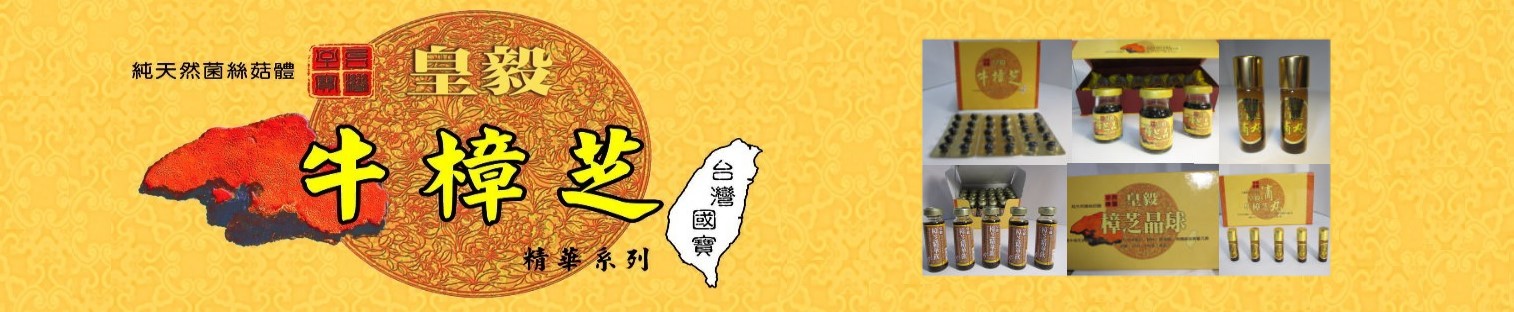
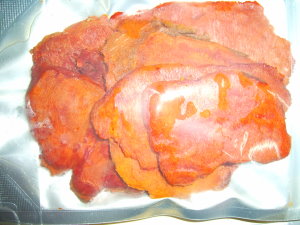
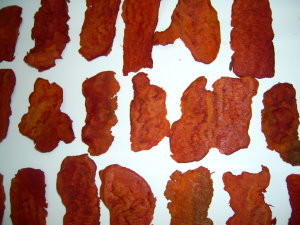
The number of Yingzhi is scarce and its popularity is not high, but people who know it are highly valued and even more publicized.
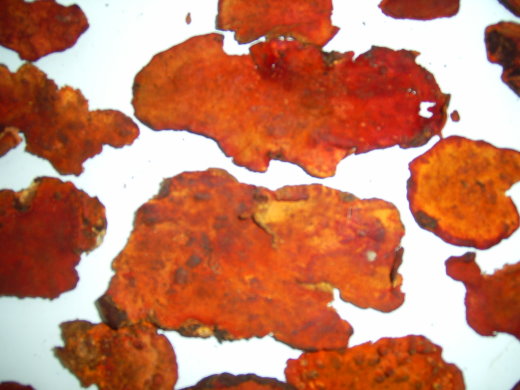
During the period from the late Qing Dynasty to the early period of the period from the early Qing Dynasty to the early period of the Japanese occupation, due to the development of the sculptured furniture industry, Taiwan began to cut a large number of eucalyptus trees in the mountains. Of course, it also contained the “host” burdock trees of Antrodia, because the number of burdock trees was already scarce. Therefore, it has already faced the crisis of extinction. As a result, Burdock (which is currently listed as Taiwan's Grade I National Treasure Tree) has been subjected to more deliberate logging and plunder. Under the effect of scarce expectations, the price of natural wild Antrodia has gradually increased. As the water goes up, it is now known as the most expensive wild fungus in the world, with market prices ranging from NT$100,000 to NT$100,000 per kilogram.
Antrodia has many complex components. It is known from modern separation analysis technology that the physiologically active ingredients of Antrodia camphora are: Triterpenoids, Polysaccharides, Adenosine, Superoxide Dismutase (SOD), Ergosterol, Immunity Protein, Vitamin, Nucleic Acid (Nucleic) Acid), Amino Acid, Lectin, Lignin, Antrodia acid, minerals (calcium, phosphorus, iron, strontium, etc.).